
The Origin Story of the Maneki-Neko
The Maneki-Neko, often referred to as the "beckoning cat," has a rich and intriguing origin that traces back to Japan. The legend surrounding this iconic feline is closely linked to the Gotokuji Temple in Tokyo, a place believed to have been established during the Edo period. According to popular lore, a wandering traveler was caught in a storm and took refuge at the temple. While seeking shelter, he noticed a cat raising its paw in a beckoning gesture. Intrigued, the traveler followed the cat's motion, which led him to safety.
This miraculous encounter inspired him to donate funds to restore the temple, which had fallen into disrepair. The story reinforces the belief that the Maneki-Neko is not just a protector of wealth but also a symbol of guidance during difficult times. This charming creature is often depicted with one paw raised, a gesture meant to attract prosperity and good fortune. The design of the Maneki-Neko varies; it can be found in numerous colors, each representing different types of good luck. For instance, a white cat symbolizes purity, while a black Maneki-Neko is thought to ward off evil spirits.
The allure of the Maneki-Neko extends far beyond Japanese borders, as it has gained recognition and admiration around the world. The cat's inviting design and cultural significance resonate with many, leading to adaptations in various countries. This global appeal has resulted in the Maneki-Neko becoming a common feature in businesses, homes, and even digital platforms, serving as a welcoming beacon of hope and fortune. The fascination with the Maneki-Neko showcases its enduring legacy and the universal desire for luck, prosperity, and protection across cultures.
The Maneki-Neko, often referred to as the lucky cat, is a significant cultural artifact found in many homes and businesses, particularly across Asia and beyond. The primary reason for displaying these delightful figurines lies in the belief that they attract good fortune and prosperity. It is popularly believed that a poised Maneki-Neko beckons clients and customers, thereby enhancing business success and bringing wealth into the establishment. This tradition has its roots deeply embedded in Japanese folklore, where it is thought that the cat reaches out with its paw to welcome fortune and positive energy.
The gesture made by the Maneki-Neko's paw plays a crucial role in its interpretation. A single paw raised signifies a welcoming gesture, inviting customers to enter the premise or partake in services offered. This position symbolizes hospitality and an open invitation, making it a favorite choice for businesses that wish to appear approachable and enticing. In contrast, a Maneki-Neko with both paws raised amplifies this invitation. It is said to increase the level of reception and appeal, drawing in more clientele and generating greater financial success.
Different colors, styles, and features of the Maneki-Neko also contribute to its meanings. For example, a white cat symbolizes purity and happiness, while a black Maneki-Neko is believed to offer protection. Gold, another preferred color, is associated with wealth and prosperity, making it an ideal choice for entrepreneurship. The positioning of the paws, whether right or left, further influences the type of fortune one hopes to attract—right for wealth and left for customer satisfaction. Hence, the thoughtful selection and display of various Maneki-Neko figures correspond to distinct aspirations for success, making them not only decorative but also doubtless integral to many cultural practices surrounding wealth and prosperity.
Understanding the Symbolism: Colors of the Maneki-Neko
The Maneki-Neko, or Lucky Cat, is often depicted in various colors, each representing distinct meanings and cultural beliefs that enhance its appeal as a talisman for fortune and well-being. One of the most prevalent colors is white, which symbolizes purity and innocence. This color is believed to attract positive energies and is often chosen for those seeking spiritual cleansing or a fresh start in life.
Black is another common hue associated with the Maneki-Neko. This color traditionally signifies protection and warding off evil spirits. It is frequently used by individuals who desire safety and guidance, making the black Maneki-Neko a popular choice among those facing challenging circumstances.
Gold, a color synonymous with wealth and prosperity, is often sought after to invite financial success. The golden Maneki-Neko is a favorite among business owners hoping to attract customers and boost profit margins. By invoking the luck associated with this color, many believe they are enhancing their chances of achieving economic stability and abundance.
Green is also seen in some representations of the Lucky Cat, symbolizing safety and protection, particularly for travelers. This color is thought to offer assurance and guidance, making it an excellent choice for those embarking on new journeys.
Moreover, colors such as red, which conveys good fortune and joy, and pink, representing love and affection, further diversify the symbolic meanings associated with the Maneki-Neko. Each color provides a unique influence, and the choice of hue is often tailored to the specific wishes and aspirations of the individual, demonstrating how color can significantly affect the perceived luck and messages that this iconic figure embodies for its owner.
Maneki-Neko Across Cultures: A Global Icon
The Maneki-Neko, commonly known as the "lucky cat," has transcended its origins in Japan and has been adopted into various cultures around the globe. This charming figure, often depicted with one paw raised in a beckoning gesture, carries a different meaning for different cultures, highlighting its adaptability and significance worldwide.
In China, the Maneki-Neko is recognized as a symbol of good fortune and prosperity. It is particularly prevalent in establishments such as restaurants and shops, where it is thought to attract wealth and clientele. The color of the cat also holds meaning; for instance, a gold Maneki-Neko is often displayed with the intent of bringing financial success, while a green version may represent safety and protection.
As the influence of Japanese culture has expanded, so has the presence of the Maneki-Neko in Western countries. In the United States and parts of Europe, this icon is commonly seen in homes as a decorative item that symbolizes good luck. This adaptation has also seen variations in design, with the inclusion of different colors and styles, catering to contemporary aesthetics while maintaining the essence of the traditional figure.
Moreover, the Maneki-Neko has evolved beyond its traditional roots, becoming a symbol of inclusivity and positivity in various social settings. It can frequently be found in promotional events, marketing campaigns, and even art exhibitions, further illustrating its relevance in modern lifestyles.
Stories abound about the lucky cat's influence, such as a small business owner who credited a Maneki-Neko statue with increasing foot traffic, or individuals who find solace in its presence during difficult times. This versatility makes the Maneki-Neko not just a relic of tradition but a player in the vibrant tapestry of global culture today.
The Modern Twist: Introducing Meowfu
The Maneki-Neko, or Lucky Cat, has long been a symbol of good fortune and prosperity, deeply rooted in Japanese culture. However, as times evolve, so do interpretations of traditional symbols. One of the more recent innovations in this iconic figure is the introduction of Meowfu – a contemporary reinterpretation that captivates both cat lovers and collectors alike.
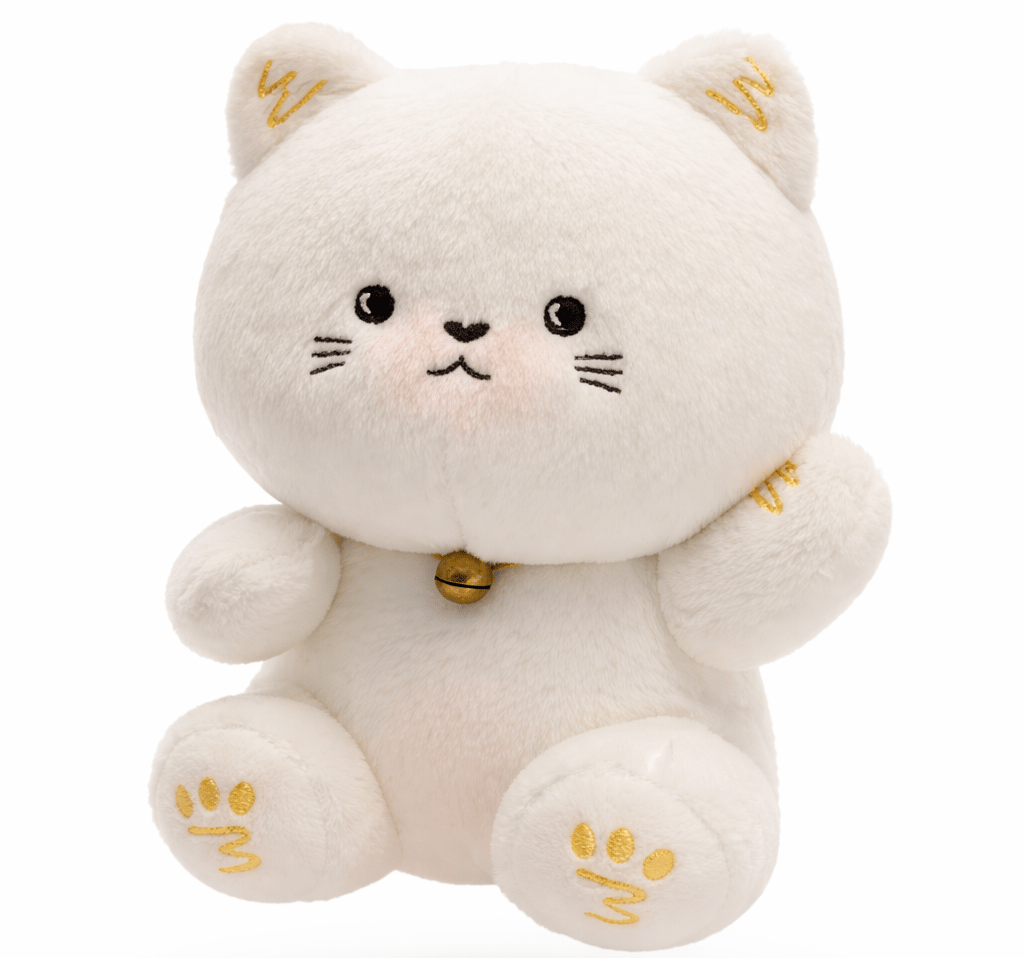
Meowfu is not just a visual reimagining of the Maneki-Neko; it is presented as a "cute and plumply" depiction of fortune. Unlike its slender predecessors, this version appears rounder and more plush, radiating an inviting charm to all who behold it. The design accentuates softness and approachability, qualities that resonate with today’s expectations for contemporary decorative art.
A key feature of Meowfu is its vibrant color palette, which incorporates pastel shades alongside the traditional gold and white. This combination of colors aims to foster a modern aesthetic while still paying homage to its origins. Additionally, Meowfu often integrates playful patterns and textures, enhancing its visual appeal and eliminating the rigid constraints typically found in classic Maneki-Neko figures. This balance of traditional elements with contemporary artistry is what sets Meowfu apart.
Furthermore, the design of Meowfu embraces various materials, including eco-friendly options and durable ceramics. These choices cater to the sensibilities of today’s environmentally conscious consumers while allowing collectors to find designs that match their personal style. The combination of unique aesthetics, cultural significance, and thoughtful craftsmanship has made Meowfu a beloved figure for a wide array of audiences, breathing new life into the cherished legacy of the Lucky Cat.
Incorporating Maneki-Neko in Modern Décor
The Maneki-Neko, often referred to as the "lucky cat," can serve as both a decorative piece and a symbol of good fortune within modern interiors. To effectively incorporate this charming figure into your home or business décor, consider placement, color, and style to enhance the overall aesthetic appeal of your space.
When placing Maneki-Neko, position it where it can attract positive energy and attention. In a home setting, placing it near the front entrance is common, as this is believed to invite good luck and prosperity. For businesses, placing it on the counter or near the cash register can attract customers and increase sales. Height plays a crucial role in visibility; ensure the cat is at eye level or slightly above to maximize its auspicious appeal.
Combining Maneki-Neko with other cultural symbols can create a harmonious blend of aesthetics. For instance, pairing it with elements like bamboo or lucky coins can enhance the sense of prosperity and balance. Additionally, incorporating natural elements such as plants or crystals can enrich the energy of the space, making it feel more welcoming and vibrant.
Color selection is particularly important when choosing a Maneki-Neko figure. Each color symbolizes different energies: a white cat represents purity, a gold cat attracts wealth, while a green one invites safety and prosperity. Select a color that resonates with your desired energy in the space. If you aim for a calming atmosphere, opt for a pastel Maneki-Neko; for an energetic vibe, choose brighter colors.
Considering the overall style of your décor is essential for a cohesive look. A traditional ceramic Maneki-Neko might suit a classic or vintage interior, whereas a sleek, modern design could complement contemporary spaces. In summary, proper placement, thoughtful combinations with other symbols, and careful selection of colors and styles will ensure that your Maneki-Neko not only enhances the décor but also serves its purpose of inviting luck and prosperity into your life.
Conclusion: The Enduring Charm of the Maneki-Neko
The Maneki-Neko, widely recognized as the Lucky Cat, has woven itself into the fabric of various cultures, particularly in Japan, where it symbolizes good fortune and prosperity. This enchanting figure, with its raised paw and enchanting expression, transcends mere ornamentation, becoming a beacon of hope and a cultural icon that speaks to the human desire for luck and success.
Throughout history, the Maneki-Neko has taken on various forms and meanings, adapting to the changing societal contexts and incorporating contemporary interpretations. Whether displayed in traditional settings or modern homes, its charm remains undeniably persuasive, as it invites positivity and abundance into the lives of those who embrace it. The timeless appeal of the Lucky Cat can also be seen in innovative products such as Meowfu, which blends tradition with modern aesthetics, bridging the gap between past and present.
Encouraging readers to invite this delightful figure into their personal spaces is not merely about aesthetics; it’s an invitation to connect with the underlying symbolism represented by the Maneki-Neko. By welcoming this symbol of prosperity, individuals can foster an environment that promotes hope and prosperity, further enhancing the charm that this iconic figure provides. Whether through traditional means or the contemporary adaptations available today, the Maneki-Neko serves as a reminder of the enduring connections between culture, hope, and personal aspirations.
In conclusion, as we navigate through our daily lives, the presence of the Maneki-Neko can serve as a source of inspiration and comfort, reminding us of the power of optimism and the potential for good fortune. Its significance in both personal and cultural realms underscores its lasting impact and charm, making it a beloved must-have for many seeking a touch of luck in their lives.
And its also why we created our very own version of Lucky Cat : Meowfu
View our Meowfu the luck cat collection here >